
When you need to sell your gold, deciding whether to approach a jeweler or a pawn shop can be confusing. Both options have their advantages and drawbacks, which is why making an informed decision is essential. Below, we’ll examine the key differences between selling gold to jewelers versus pawn shops and provide insights on how to maximize value for your precious metals.
Selling Gold to a Jeweler
Jewelers are often considered the go-to professionals for transactions involving precious metals.
- Expert Appraisal: Jewelers generally have in-depth knowledge of gold quality, karat weight, and market trends. This ensures you receive an accurate valuation.
- Fair Pricing: Since jewelers rely on long-term customer relationships and credibility within their community, they are more likely to offer fair prices compared to other buyers.
- No Pressure Transactions: Most reputable jewelers will allow you time to make your decision without feeling pressured into selling.
However, some downsides include: – Jewelers may only purchase specific items such as high-quality jewelry pieces or coins. – The process might take longer as they conduct detailed appraisals of your items.
Selling Gold at a Pawn Shop
Pawn shops offer an alternative option that is quick and convenient.
- Instant Cash Offers: If you need immediate cash, pawn shops provide on-the-spot payment once they evaluate your item.
- Less Stringent Criteria: Unlike jewelers, pawn shops typically accept all kinds of gold items—whether broken jewelry or old coins.
However, there are notable drawbacks: – Lower Offers: Pawn shops often prioritize reselling quickly over offering top-dollar value for your gold.Limited Expertise: Some pawn shop staff may lack the specialized knowledge required for precise valuations.
| Comparison Factor | Jewelers | Pawn Shops |
| Expertise | Highly knowledgeable | Varies depending on location |
| Pricing | Typically closer to market value | Often lower than market value |
| Item Acceptance | Specific quality requirements | Broad range accepted |
| Transaction Speed | Slower due to thorough appraisal | Faster with instant payments |
Factors To Consider Before Selling Gold
- Know Your Gold’s Value
Research current market prices for gold and determine its purity (measured in karats). This allows you to gauge whether you’re receiving fair offers. - Request Multiple Quotes
Visit both local jewelers and pawn shops for quotes before finalizing any deal. Comparing offers ensures transparency in pricing. - Check Buyer Reputation
Read online reviews or seek recommendations from trusted sources about the buyer’s credibility—whether it’s a jeweler or pawnbroker. - Understand Fees or Deductions
Certain buyers may charge transaction fees or deduct costs for refining processes that reduce the final payout amount. - Consider Emotional Value of Items
If your item carries sentimental significance beyond its monetary worth, consider alternatives like repurposing it into new jewelry instead of selling it outright.
By carefully weighing these considerations against your priorities—such as speed of transaction versus maximizing price—you can choose the most suitable option when selling your gold successfully and securely.
Discover the Difference: Jewelry Store vs Pawn Shop for Unique Pieces
Jewelry is more than an accessory—it’s an expression of personality, sentiment, and style. Whether you’re shopping for a meaningful gift or adding to your personal collection, exploring unique jewelry collections tailored to specific occasions is a great way to ensure your purchase aligns perfectly with the moment. Below, we delve into the versatility of jewelry collections and provide tips on finding pieces that stand out.
Discover Unique Pieces at Jewelry Stores for Special Celebrations
Certain milestones call for distinctive pieces that reflect the gravity of the occasion.
- Engagement rings with intricate settings or colored gemstones like sapphires or emeralds.
- Custom wedding bands engraved with meaningful dates or messages.
- Bridal jewelry sets featuring pearls or diamonds for a timeless look.
- Eternity bands symbolizing enduring love.
- Personalized lockets with photos or initials inside.
- Anniversary-specific gemstones like rubies (15th) or emeralds (20th).
- Birthstone necklaces, rings, or earrings customized to match the recipient’s birth month.
- Charm bracelets that can grow over time as more charms are added.
Elevate Your Style with Everyday Gold Buying and Selling Collections
- Minimalist gold bands or diamond studs suitable for daily wear.
- Layered necklaces combining different metals and textures.
- Stackable bracelets and rings allowing customization depending on mood or outfit.
Seasonal Jewelry Trends
| Season | Popular Styles | Materials |
| Spring | Floral motifs in necklaces and earrings | Rose gold, pastel gemstones |
| Summer | Beach-inspired designs like seashell pendants | Turquoise, mother-of-pearl |
| Fall | Warm tones and nature-inspired pieces | Amber, citrine, oxidized silver |
| Winter | Statement pieces with sparkle | White gold, diamonds |
Supporting Local Artisans Through Unique Collections
- Seek out boutique stores featuring handmade designs that aren’t mass-produced.
- Look for fair-trade certifications ensuring ethical sourcing of materials.
- Invest in timeless craftsmanship rather than choosing trendy, short-lived styles.
Tips for Finding Unique Jewelry Collections
- Visit Specialty Jewelers:Independent jewelers often curate exclusive collections unavailable at larger retailers.
- Explore Customization Options:Many jewelers offer custom-made pieces tailored precisely to your preferences.
- Attend Jewelry Exhibits:Trade shows and exhibits often showcase limited-edition designs from talented craftsmen.
- Research Online Boutiques:There are many online marketplaces specializing in artisan-made jewelry.
A unique piece of jewelry isn’t just an accessory; it’s a story waiting to be told—perfectly complementing every occasion it’s worn for.
Learn About Featured Designers Creating Timeless Masterpieces
The jewelry industry is a blend of artistry, craftsmanship, and innovation. Some designers stand out by creating timeless masterpieces that transcend trends and leave a lasting impression. These designers not only craft exquisite pieces but also infuse their creations with unique stories and symbolism. Here’s an exploration of some featured jewelry designers known for their unparalleled creativity.
Hallmarks of Exceptional Jewelry Designers
- Creativity and Originality: Their designs are often one-of-a-kind or limited edition, ensuring exclusivity.
- Attention to Detail: From intricate settings to perfectly polished finishes, every element is meticulously crafted.
- Use of High-Quality Materials: Exceptional designers prioritize ethically sourced gemstones, durable metals, and innovative materials.
- Storytelling Through Design: Many pieces reflect cultural influences, personal stories, or historical inspiration.
Renowned Jewelry Designers to Know
- Coco Chanel
Known for blending fine jewelry with fashion-forward designs, Coco Chanel revolutionized the relationship between luxury accessories and everyday wear. Her iconic pieces often feature pearls, gold chains, and bold geometric patterns. - Tiffany & Co. Designers
Tiffany has collaborated with several legendary designers such as Elsa Peretti and Jean Schlumberger. Elsa Peretti’s minimalist yet timeless creations (like the Bone Cuff) are celebrated worldwide. Schlumberger’s vibrant use of color in gemstone arrangements remains unmatched. - Cartier Maison
Cartier is synonymous with elegance and innovation. Famous for its “Panthère de Cartier” collection, the maison has consistently delivered bold designs infused with French sophistication. - Harry Winston
Known as the “King of Diamonds,” Harry Winston redefined luxury jewelry by using flawless gemstones as primary design elements rather than embellishments. - David Yurman
The cable bracelet design by David Yurman represents modern luxury with a twist of simplicity and elegance.
| Designer | Signature Style | Notable Features |
| Coco Chanel | Bold yet feminine; pearls & chains | Pearl necklaces; timeless costume jewelry |
| Elsa Peretti | Minimalist & fluid | Bone Cuff; Open Heart pendants |
| Jean Schlumberger | Vibrant & intricate | Enamel brooches; nature-inspired motifs |
| Harry Winston | Bold use of flawless diamonds | Signature cluster settings |
| David Yurman | Modern luxury | Cable bracelet; mixed metals |
How to Choose Pieces from Featured Designers
- Identify your style preferences (e. g. , minimalist vs ornate).
- Check for hallmark signatures that verify authenticity.
- Research the designer’s philosophy to align your purchase with personal values.
- Invest in versatile pieces that suit multiple occasions without losing their charm over time.
Supporting Emerging Designers
While established names dominate the headlines, supporting emerging talents can provide access to fresh perspectives in design while also promoting sustainability in the industry. Look for independent artisans who emphasize craftsmanship over mass production.
Whether you choose classic icons or up-and-coming creatives, investing in designer jewelry ensures you own not just accessories but wearable art crafted with passion and precision.
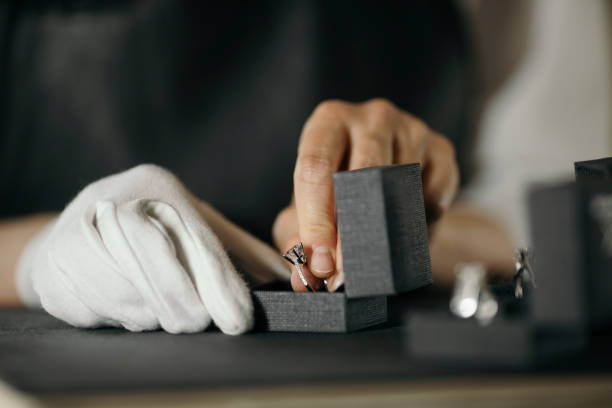
The Difference Between Lab Diamonds and Natural Diamonds Explained
When shopping for diamonds, understanding the difference between lab-grown diamonds and natural diamonds is essential. Both types of diamonds have their unique characteristics, benefits, and considerations. This guide will break down how these two types differ and help you make an informed decision when purchasing a diamond.
What Are Lab Diamonds?
Lab-grown diamonds are created in a controlled laboratory environment using advanced technological processes that replicate the natural diamond formation process. These diamonds are chemically, physically, and optically identical to natural diamonds but are grown much faster than those found in nature.
- Made using methods like High-Pressure High Temperature (HPHT) or Chemical Vapor Deposition (CVD).
- Environmentally sustainable due to ethical mining alternatives.
- Typically more affordable than natural diamonds, making them budget-friendly.
- Available in various shapes, sizes, and qualities to suit personal preferences.
What Are Natural Diamonds?
Natural diamonds form deep within the Earth over billions of years under immense heat and pressure. These gemstones are mined from specific locations around the world and valued for their rarity, authenticity, and historical significance.
- Formed naturally over 1 to 3 billion years.
- Considered rare due to their geological formation process.
- Often carry sentimental or symbolic value tied to tradition.
- Typically costlier due to their limited availability.
How Do Lab Diamonds Differ From Natural Diamonds?
| Feature | Lab-Grown Diamond | Natural Diamond |
| Formation Process | Created in labs | Naturally formed inside Earth |
| Time Taken to Form | Weeks or months | Billions of years |
| Cost | More affordable | Higher price |
| Environmental Impact | Minimal | Mining may impact ecosystems |
| Resale Value | Lower resale value | Higher resale potential |
Which One Should You Choose?
The decision between a lab diamond and a natural diamond ultimately depends on your priorities.
- Budget:
If affordability is important without compromising on quality or appearance, a lab-grown diamond is an excellent choice. - Sustainability:
Concerned about ethical sourcing? Lab-created options eliminate the need for mining practices that may harm the environment or involve unethical labor practices. - Sentimental Value:
For those who value rarity or traditions tied to naturally formed stones, opting for a natural diamond can feel more meaningful. - Investment Potential:
Natural diamonds tend to hold better resale value over time compared to lab-created ones; consider this if long-term investment matters.
A Final Thought
Understanding the differences between lab-grown and natural diamonds allows you to make an informed purchase that aligns with your values, budget, and preferences. Whether you prioritize sustainability or tradition, both options offer stunning choices for fine jewelry that can last a lifetime.
How to Sell Your Gold Safely and Easily for the Best Value
Selling gold can be a daunting process, especially if you’re unfamiliar with the market. Understanding how to navigate the process safely and obtain the best value for your gold is essential. Here’s a comprehensive guide to help you make informed decisions.
Evaluate Your Gold
Before selling your gold, it’s important to assess its value.
- Determine the Karat: Look for markings on your jewelry (e. g. , 10K, 14K, 18K). The karat indicates the purity of gold, with 24K being pure gold.
- Weigh Your Gold: Use a kitchen or jewelry scale to measure its weight in grams or troy ounces, as buyers typically determine value based on weight.
- Check Current Market Prices: The price of gold fluctuates daily. Visit reputable financial websites or use gold price tracking tools to understand its current market value.
Research Potential Buyers
Not all buyers offer equal value or operate ethically.
- Jewelers often provide fair prices based on their expertise in precious metals and gemstones.
- They may be more transparent about pricing but might not purchase broken or non-resaleable items.
- Pawn shops offer quick cash but may undervalue your gold due to high overhead costs and resale margins.
- This option is better suited for those in urgent need of cash rather than those seeking maximum value.
- Online services typically provide prepaid mail-in kits, allowing you to ship your items directly.
- While convenient, they may not always offer competitive rates unless you carefully vet their reputation.
- Refiners melt gold for reuse and often pay closer to market prices since there are fewer intermediaries involved.
- Selling directly to refiners requires knowing the exact weight and purity of your items beforehand.
Tips for a Safe Transaction
- Get multiple appraisals from different buyers before committing.
- Avoid high-pressure sales tactics or offers that seem too good to be true.
- Always ask about fees or deductions that might lower the payout.
- Request payment documentation showing how they calculated the final amount offered.
Sample Price Chart Based on Market Value (Example)
| Purity (Karat) | Weight (grams) | Est. Price per Gram* | Total Value |
| 14K | 10 g | $32 | $320 |
| 18K | 5 g | $42 | $210 |
| 24K | 3 g | $55 | $165 |
(*Prices based on an average spot price; actual values may vary.
Make an Informed Decision
Selling your gold safely and easily requires patience and research. By understanding its worth, comparing buyers, and following safe transaction methods, you’ll maximize its value while ensuring peace of mind during the process.
Understanding Diamond Education Before Making Your Next Jewelry Purchase
When purchasing a diamond, understanding its key characteristics and certifications is essential to ensure you make an informed decision. Diamonds are a significant investment, and having the right knowledge can help you choose one that best suits your preferences, budget, and needs.
The 4Cs of Diamonds
The 4Cs—Cut, Color, Clarity, and Carat—are the fundamental factors used to evaluate diamonds.
- Cut:
The cut determines how well a diamond reflects light. Cut grades range from Excellent to Poor. The quality of the cut depends on factors like proportions, symmetry, and polish. - Color:
Diamonds are graded on a color scale from D (colorless) to Z (light yellow or brown). Colorless diamonds are highly sought after for their purity; however, near-colorless options in the G-H range can offer excellent value while appearing nearly identical to the untrained eye. - Clarity:
Opting for a VS1 or VS2 clarity grade often provides an excellent balance between appearance and cost. - Carat Weight:
Carat refers to the weight of the diamond rather than its size alone. While larger diamonds are often more expensive due to their rarity, two diamonds with similar carat weights can appear different in size depending on their cut proportions.
| Diamond Grade | Scale Range/Description | Recommended Choice for Value |
| Cut | Excellent – Poor | Excellent or Very Good |
| Color | D – Z | G-H for good value |
| Clarity | Flawless – Included | VS1 or VS2 |
| Carat | Based on Weight | As per Budget |
Importance of Certification
Always ensure that your diamond is accompanied by certification from reputable gemological laboratories such as:
– GIA (Gemological Institute of America)
– AGS (American Gem Society)
– IGI (International Gemological Institute)
These certifications verify critical attributes like carat weight, color grade, clarity grade, and cut quality. This documentation ensures transparency and protects you as a buyer.
Popular Diamond Shapes
In addition to evaluating quality metrics, consider the shape of your diamond based on personal preference:
– Round Brilliant: Known for maximum sparkle. – Princess Cut: Modern square shape with sharp edges. – Cushion Cut: A vintage-inspired rounded square design. – Oval & Pear Cuts: Elegant elongated shapes offering unique appeal.
Tips for Choosing Your Perfect Diamond
- Set a budget before shopping—this helps narrow down options.
- Focus on cut quality if brilliance is your main concern.
- Compare prices across retailers but beware of deals that seem too good to be true without proper certification.
By understanding these essential factors about diamonds before making your purchase, you can feel confident about selecting one that combines beauty with lasting value.
- A Comprehensive Guide to Gold Jewelry: Jewelry Store vs Pawn Shop
- Understanding Jewelry Buying and Selling: Solid Gold, Gold Plated, Gold Vermeil, and Gold Filled Jewelry Explained
- Jewelry Store vs Pawn Shop: Understanding Gold Jewelry Types and Key Differences
- The Ultimate Guide to Jewelry Buying and Selling: Should You Sell Gold to a Jeweler or Pawn Shop?
- Jewelry Stores vs Gold Buyers: Choosing the Best Place to Sell for Higher Value
- Jewelry Store vs Pawn Shop: Differences in Gold Jewelry Types Explained
- The Benefits of Jewelry Buying And Selling Through A Trusted Jewelry Store Over A Pawn Shop
- The Ultimate Guide to Jewelry Buying and Selling: Engagement Rings, Pawn Shops, and Jewelry Stores
- Understanding Jewelry Buying and Selling: Choosing Between Pawn Shops and Jewelry Stores